
In a 19-minute short, the actor-director sets Shakespeare’s tragedy in the early 1990s and lets the play’s own language do the work.
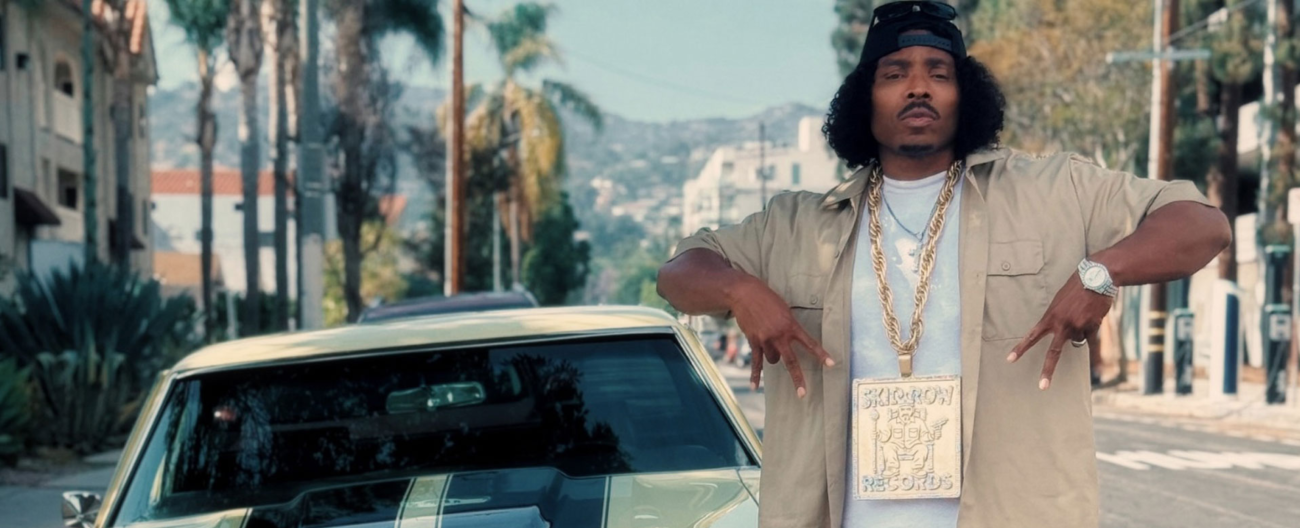
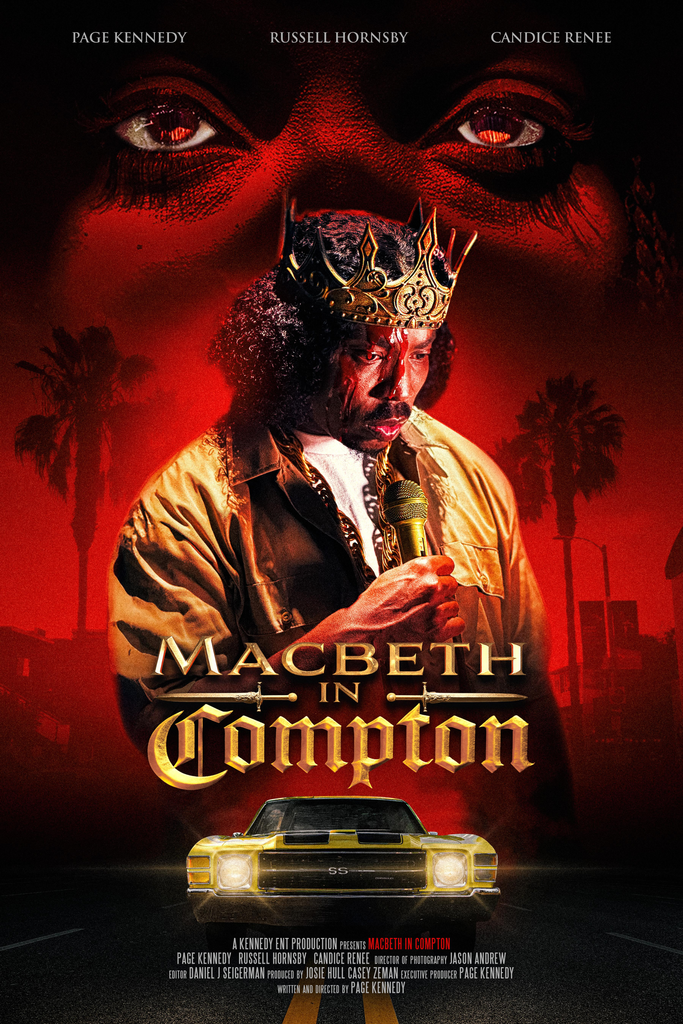
The dialogue in “Macbeth in Compton” is as poetic as William Shakespeare’s 17th-century play. In his short film, Page Kennedy sets the tragedy in Compton in the early 1990s and follows a rapper’s ambition from its first taste of power to its ruin.
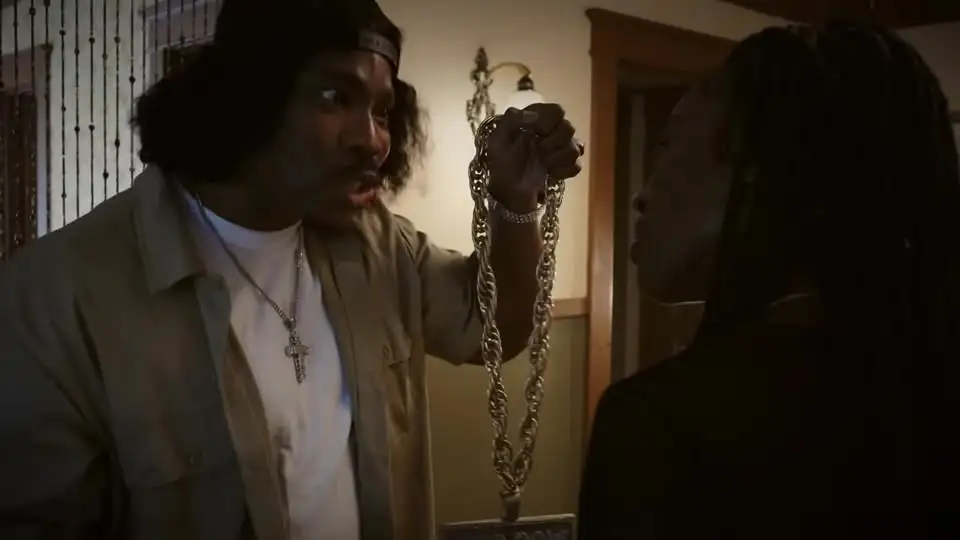
Like the play, the film shows how the desire for status and control can corrupt. We meet Mac (Kennedy), an aspiring rapper welcomed into the fold of Skid Row Records by its CEO, Duncan (Russell Hornsby), on Chaining Day, a milestone ritual. Lady M (Candice Renée), Mac’s mistress and a former rapper herself, sees in his rise a path to the throne. She pushes him to murder Duncan and take the crown, and she is the sharpest voice in the story. The crown becomes something rap already understands: turf, a label, a throne in the streets.
Kennedy wrote, directed, and executive produced the film, and stars as Mac. Every line is Shakespeare’s, he says, except for one rap. Subtitles written in the characters’ native language help every viewer follow what is said.
The film has only three main characters, and all three performances are precise. Renée’s scene persuading her hesitant partner to murder Duncan is among the film’s strongest, and her energetic rap makes the film’s one departure from the play feel natural. She delivers the line “He that’s coming must be provided for” with cold intent.
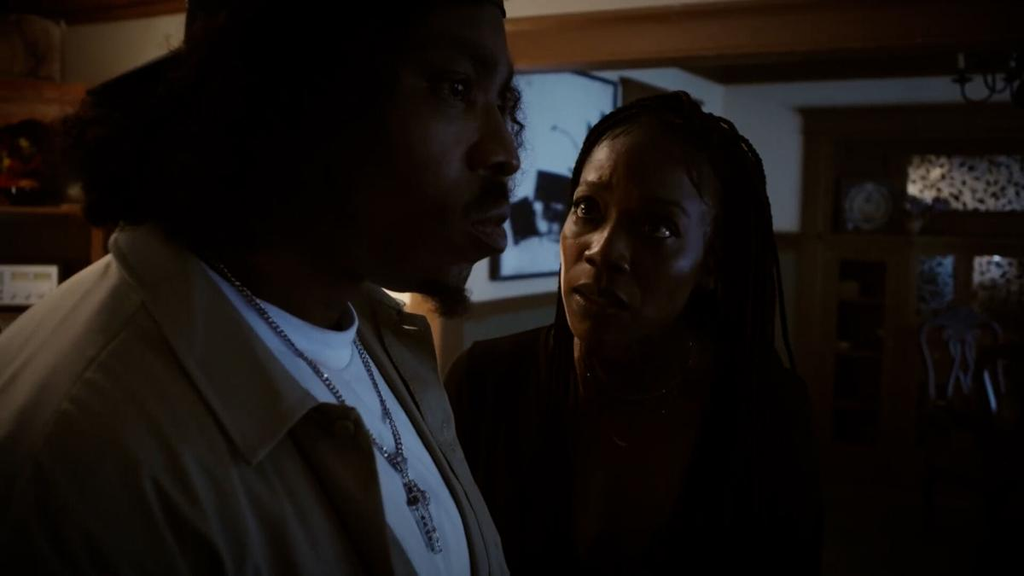
At the BronzeLens Film Festival, where the film was an Official Selection with three nominations (Best Short, Best Actor for Kennedy, and Best Actress for Renée), she won Best Actress. The murder itself is gripping. The camera pans fluidly around the action, and the music and mood suit the story.
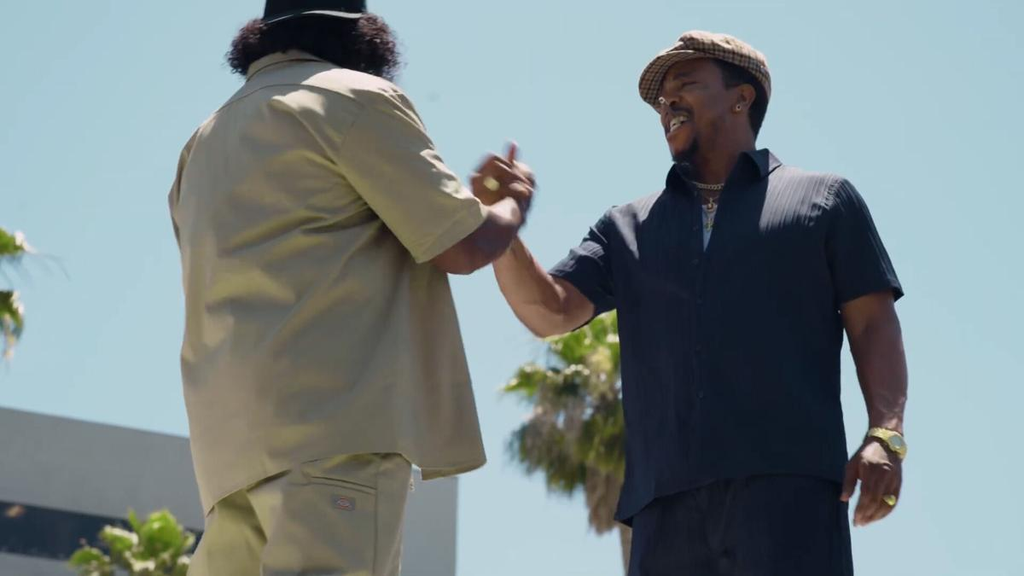
Hornsby (pictured above) brings serious credentials to Duncan. The Oakland-born actor is best known for lead roles on ABC Family’s “Lincoln Heights” and NBC’s “Grimm.” He played Lyons opposite Denzel Washington and Viola Davis in the Oscar-nominated film “Fences,” a part he also took in the 2010 Broadway revival. More recently he played Charles Flenory on “BMF” and appeared in “The Hate U Give.” An actor seasoned in August Wilson’s language is well suited to Shakespeare’s, and his Duncan gives the film its weight.
The film also keeps the play’s psychological core: a sharp study of unchecked ambition, guilt, and moral collapse. Macbeth’s monologues are already confessional, internal, and rhythmic, which suits the form. Mac is an aspiring rapper whose appetite for status and control turns him into a tyrant, and that arc anchors the film. Rap has a long tradition of rise-and-fall stories, and Mac’s arc, from success to paranoia is the same cautionary tale.
Kennedy is not the first to move Shakespeare into a new world. The Indian director Vishal Bhardwaj adapted three Shakespeare tragedies into Hindi-language films. Aneil Karia’s recent “Hamlet,” starring Riz Ahmed, transposes the play to modern London and keeps the original text, abridged and reordered. It is set within a South Asian community. The instinct is the same: keep Shakespeare’s words and change the world around them. Kennedy’s film runs 19 minutes where Karia’s runs 114, and it is the briefer one that leaves a viewer wanting more.
For Kennedy, the film’s purpose is stated plainly. “I created this so that I could introduce Black people to Shakespeare,” he said. “That is my overall goal in this. And in making it cool for them and to them, it makes it cool to everyone else in the world.”
“Macbeth in Compton” speaks so powerfully that it makes viewers want to read more Shakespeare, as Kennedy hopes. After BronzeLens, it also played the Pan African Film Festival and Dances With Films.
Few Shakespeare adaptations sound like this one. With this film, Page Kennedy hasn’t just adapted Shakespeare. He has handed him the mic.