
“Stories in Exile: The Citizen” and “Black Dju,” are about African immigrants in Europe.
One in Budapest and one in Luxembourg. Both are about paperwork, suspicion and the particular loneliness of being a stranger. Each also holds out the possibility that someone will help.
In Roland Vranik’s “The Citizen,” Wilson is a political refugee from Guinea-Bissau who has lived in Budapest since a civil war took his family. He is in his late fifties and works as a security guard. He wants to be a Hungarian citizen, and he is studying hard for the exam that would make him one. His relationships with a Hungarian teacher and a young Iranian refugee show how much more than a test is involved in being let in. The film is a portrait of a man who wants dignity, stability and a place to call home, in a society where acceptance keeps slipping away.
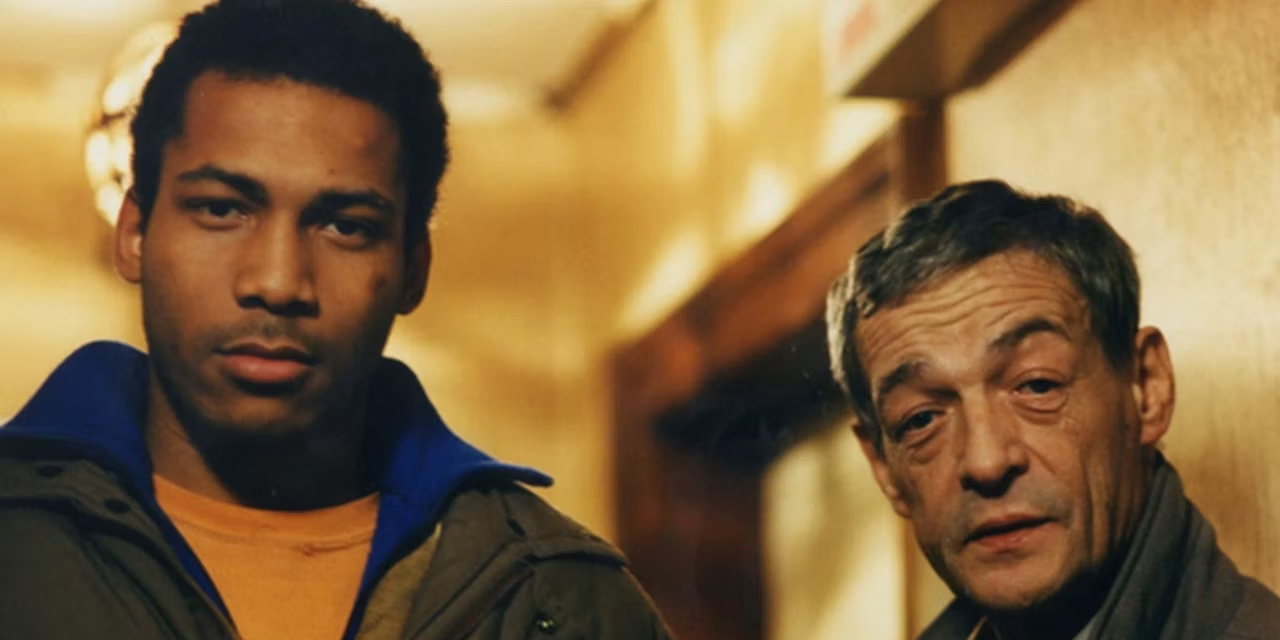
“Black Dju” starts with an absence. Dju’s father is a migrant worker in Luxembourg, and the visits and the money from him have simply stopped. So Dju, a young man from Cape Verde, goes to find him. He arrives in a country he doesn’t know, where the immigration authorities regard him with hostility and his prospects are uncertain. His help comes from an unlikely place, a troubled police lieutenant who joins the search. The cast includes the Cape Verdean singer Cesária Évora as Dju’s mother and the musician Manu Dibango. The result is a tender story about family, friendship and solidarity that crosses cultural lines.
The two films approach the African experience in Europe from different directions and are a new two-film DVD collection and are part of the Black in Europe series.
Both are available to stream as a special two-film DVD collection on https://artmattanfilms.vhx.tv/black-dju