
It’s the tried-and-tested formula of retribution, but what makes “Son of the Soil” so brilliant is that it’s shot in Nigeria and delivers pure, unadulterated satisfaction from start to end.
The chaotic streets of Lagos is the location for director Chee Keong Cheung’s vengeance thriller which follows actor Razaaq Adoti as he embarks on a bloody crusade to locate his sister’s killer and settle a score.
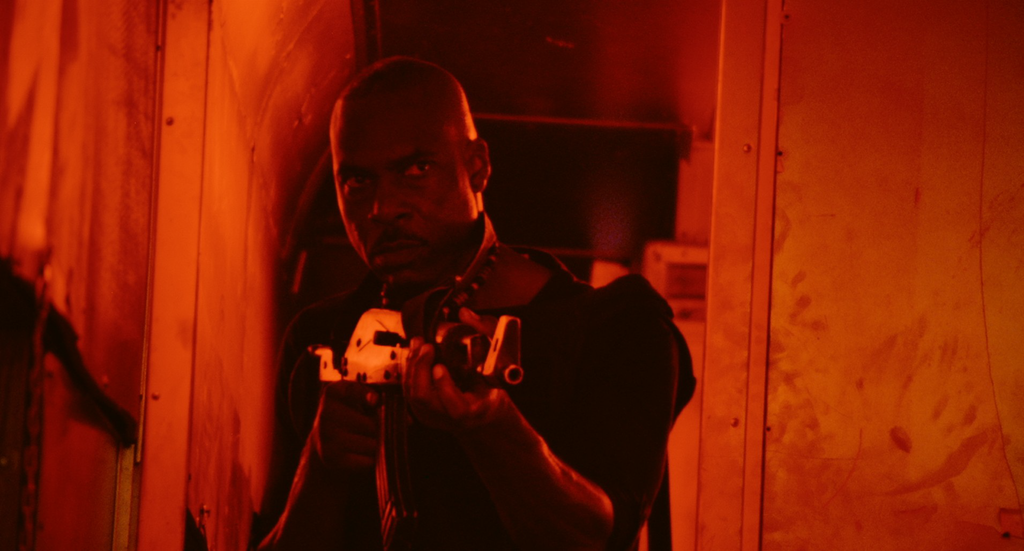
A gritty, action-thriller, the film opens with the reporting of a new drug called Matrix ravaging the streets of Lagos. Fast forward a few scenes and audiences are introduced to Ronke (Sharon Rotimi), a staffer at a luxury hotel who is murdered after witnessing a drug related incident. In her final moments, she makes a desperate call to her brother, Zion (Adoti) a former military vet in exile in the United States who returns to Lagos to hunt down her killers.
Zion’s quest for answers rattles a corrupt police department and sparks a war with a ruthless criminal syndicate led by the dangerously charismatic Shaka Bulla (Taye Arimoro).
Joining forces with an old friend called Jagun (Damilola Ogunsi), who now runs a rival gang, the duo embark on a mission to dismantle the drug empire led by Dr. Baptiste (Philip Asaya) and get justice for Ronke.
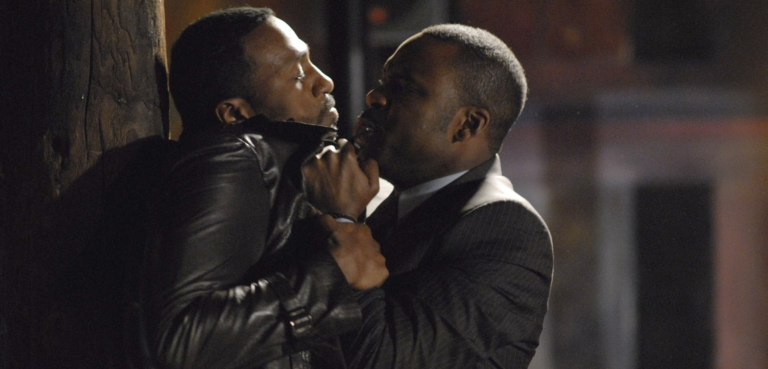
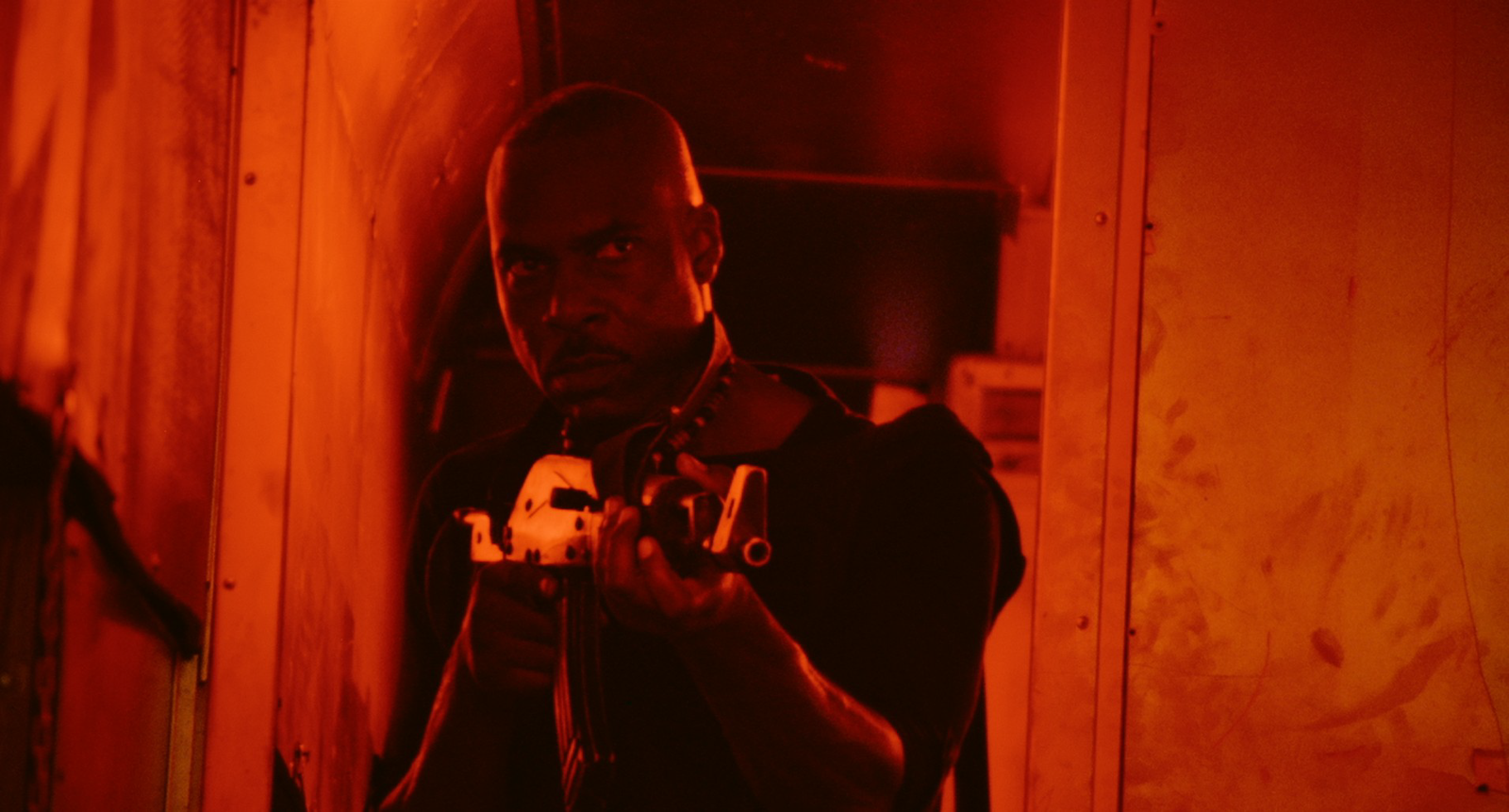
From a chase on a motorized three-wheeled auto-rickshaw to a shootout on a canoe, there are plenty of chaotic brawls, fight sequences, knives and machetes slashing as the camera glides with the combatants making the audience a participant in the chaos.
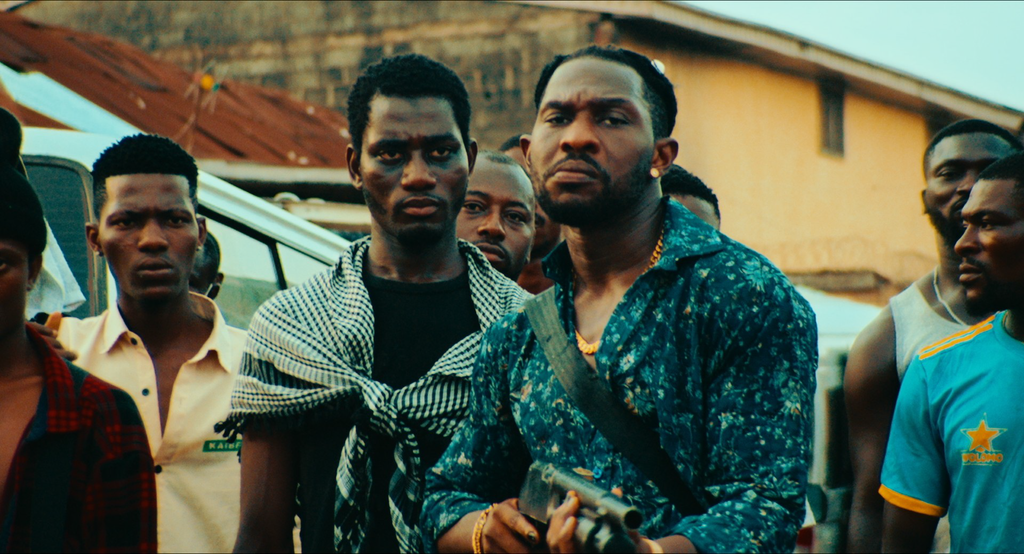
Everyone plays their part to perfection, from Taye Arimoro as the ruthless dreadlocked Shaka, Commander Obi (Ireti Doyle) as a corrupt office to shining star Remi (Ijelu Folajimi), a savvy street-smart orphan who forms an unlikely bond with Zion.
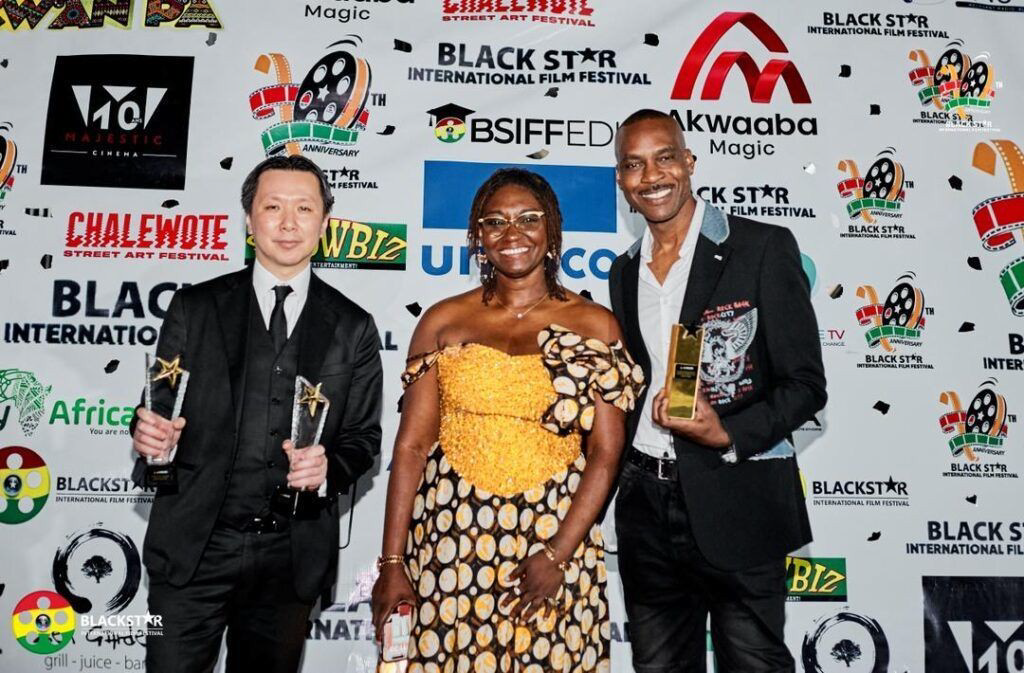
There’s a strong lead performance from Adoti (“Amistad“) who doubles as writer/producer in the film which has won numerous awards including Best Drama accolades from the Toronto International Nollywood Film Festival (TINFF) and Ghana‘s Black Star International Film Festival (BSIFF).
The actor, who grew up in Lagos has described a lifelong pull toward the “Motherland” that eventually led him to set his debut script in Africa and describes “Son of the Soil” as more like a calling — one tied to his own Yoruba name, Adebowale, which translates to “the crown has come home.”
The music, the scenery, the cinematography works so well due to a perfect storm of casting, and storytelling as the everyone deeply understood the environment, slang, and underlying tension of the streets they were portraying.
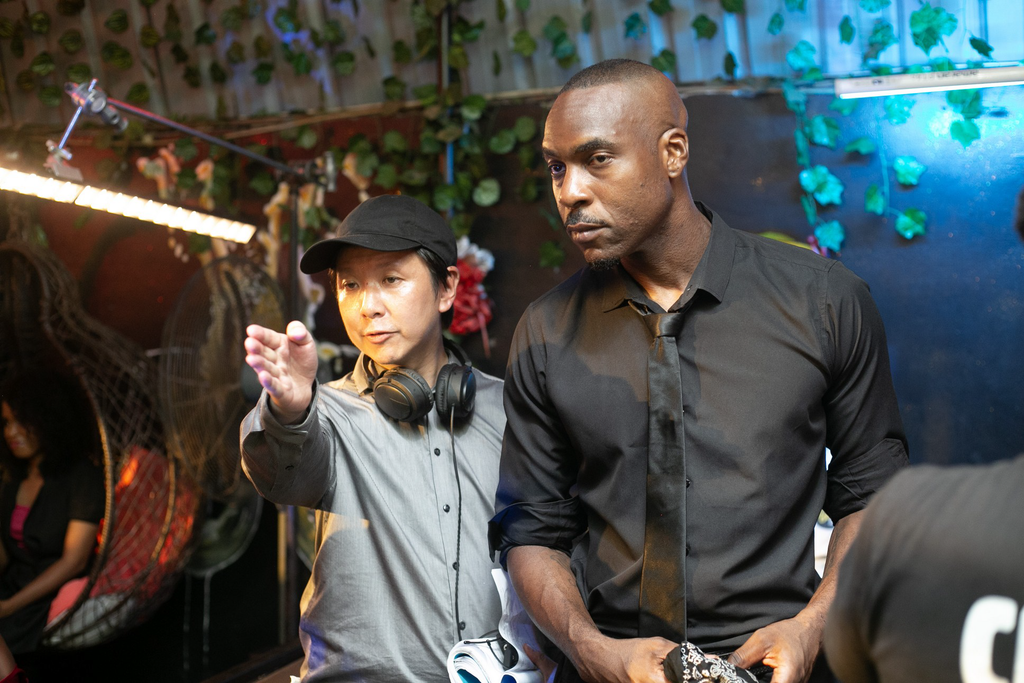
Despite its heavy themes of systemic violence and loss of innocence, the film never feels entirely depressing. The action sequences are constructed in a manner that somehow feels both urgent and artistically choreographed at the same time and the cuts are swift, often to many different angles and viewpoints giving it a remarkable vantage action point.
Revenge thrillers benefit the most from a simple premise. A personal loss typically enough to justify a few hours of visceral, nonstop mayhem and director Chee understands all of the above, which makes the film a textbook example of revenge done right.