
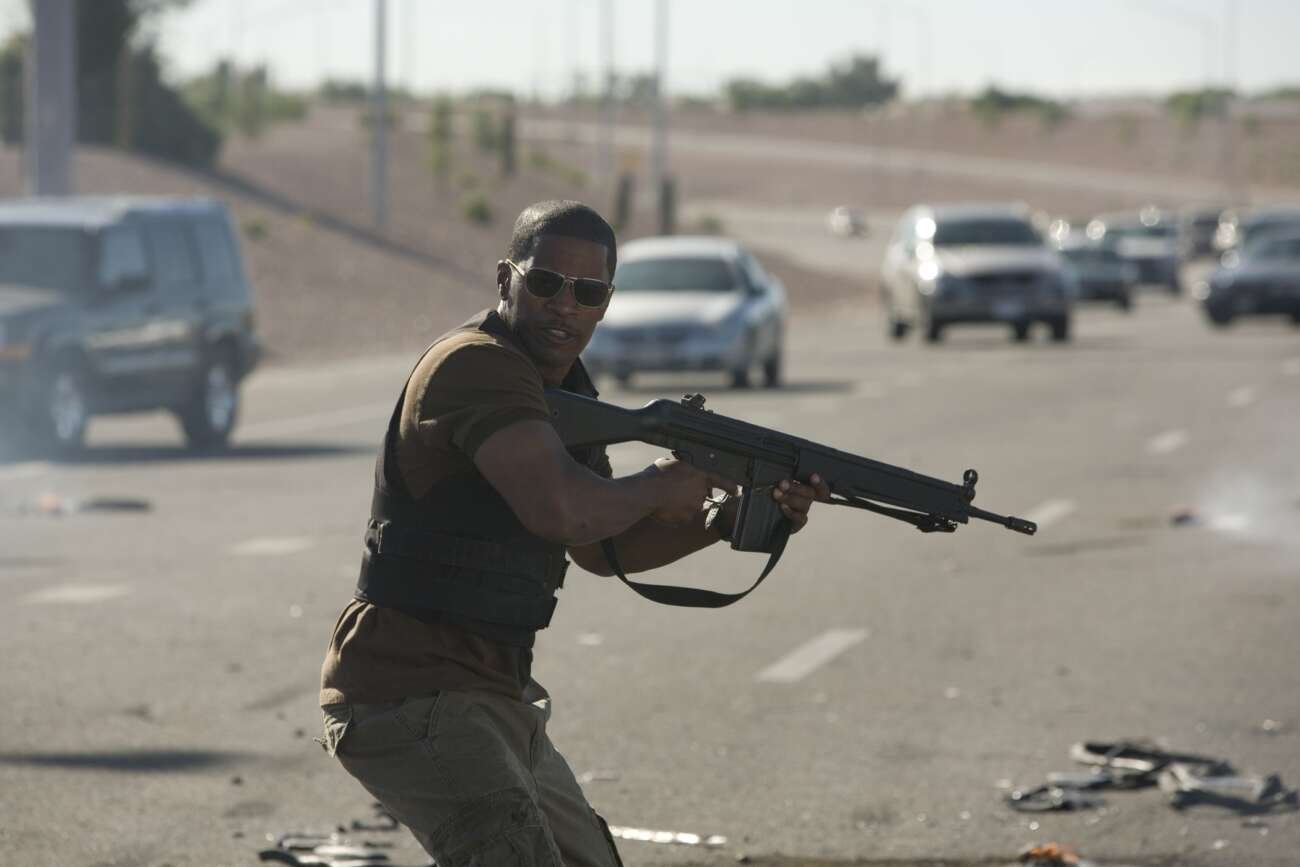

Oscar winning actor Jamie Foxx has been building up a respectable resume over the years and has already established himself as one of the most popular figures in entertainment with a music and acting career.
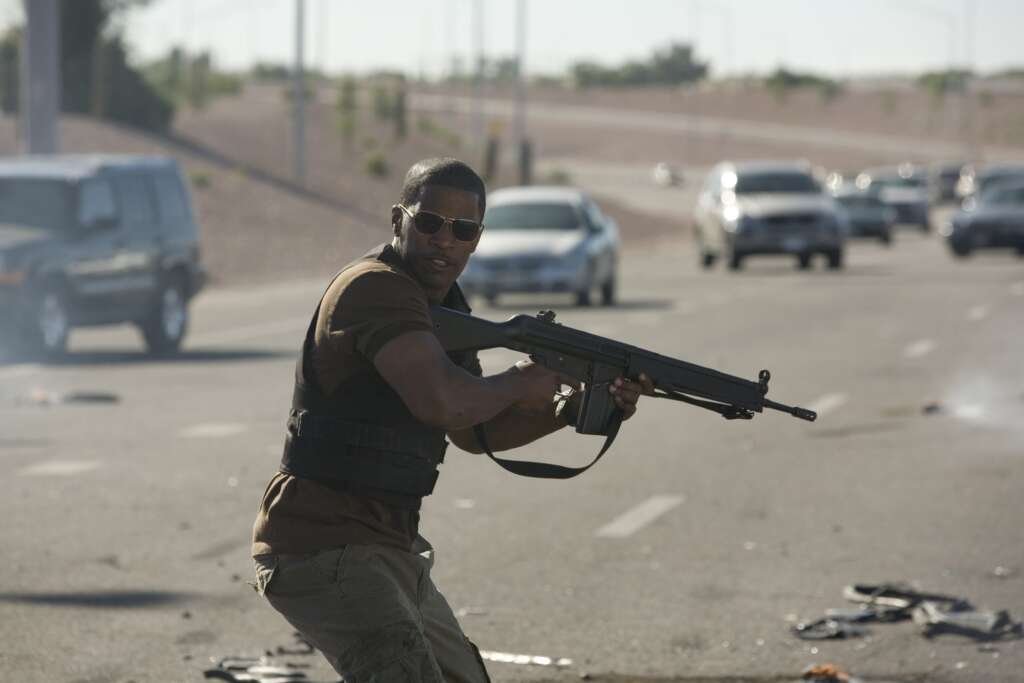
The Texan native who started off in the comedy circuit achieved public acclaim in the ‘90s with the hit comedy television series “In Living Color” creating some of the show’s funniest and most memorable moments with an ensemble which included Jim Carrey, Damon Wayans and Keenen Ivory Wayans. With a small part in “Toys” and more memorable roles in “The Truth About Cats & Dogs,” “The Great White Hype” and “The Jamie Foxx Show” in 1996, Foxx kicked his film career into overdrive and cemented his success in movies through a series of supporting film roles in “Any Given Sunday” and “Ali”. He became one of Hollywood’s top leading men when he starred opposite Tom Cruise in the movie “Collateral,” and received a supporting actor Oscar nomination, but it was his portrayal of the late soul music legend Ray Charles in the 2004 film “Ray” which earned Foxx numerous accolades including an Academy Award for Best Actor. With an upcoming explosive political thriller titled “The Kingdom” in which he plays an FBI agent who leads his team into Saudi Arabia to investigate a deadly explosion which kills several American civilians and another biopic in the works, Foxx talks to entertainment reporter Samantha Ofole-Prince about his latest projects.
SOP: You previously worked with director Michael Mann in “Ali” and “Miami Vice,” what was it like reuniting with him on this project?
JF: You know it was fun to work with Michael Mann again and also work with Peter Berg [director] whom I have always admired as an actor and as a director and to be able to work with a subject matter that is pretty intense is cool and it was just a fun ride.
SOP: This movie [The Kingdom] has very explosive action sequences, how difficult was it filming in a desert with extremely high temperatures? JF: The danger was the climbing. We were in Phoenix and it was 115/130 degrees so you had to pay attention to yourself. The other danger was that there was a lot of guns going off simultaneously so you had to make sure that you weren’t in anybody’s path because even though they were blanks, it could still cause damage and then the physicality of going through those hallways and blowing up stuff, but that’s the fun part of it and that is what you dreamt about when you were kid. Although it was taxing it was still fun.
SOP: Talk about the balance of this movie in terms of its topic of politics and entertainment and how much research you did for your character?
JF: With the research, we got a chance to go where the FBI train and they show you bombs and that was crazy because you were seeing them blow things up right in front of you and see how their approach was. It was just another day in the office for them so we had to match that. I don’t know if it was political. When you watch Asfrah’s character [Saudi Colonel] you lock onto him and say; wow, look at this dude who is a cop in Saudi Arabia, how does he work within all this? So you start following him and watching his plight. It wasn’t political it was just about this guy trying to go to work and do his job.
SOP: Whether it’s In Living Color, Dreamgirls, Jarhead or Stealth, you have done a lot of ensemble movies where you are part of a group — do you get a sense of being the leader on these projects?
JF: I think for me what is best for me right now is having that ensemble because until you graduate to your Will Smithness [laughs] it’s good to have people around. Those are big boots up here! I like having it that way because I am used to playing with an ensemble. In Living Color it was an ensemble and so I like that comfortable spot where you do not have to put everything on your shoulders.
SOP: You gave recognition to your hometown of Terrell, Texas in the movie. Was that improvisation again?
JF: It’s good to tip your hat to your hometown because that town at one point seemed so on an island because it was 12,000 people and rail road tracks separated you from the North and the South side. It was good to let them in on what is going on because it’s your hometown and they always want you to not forget about them.
SOP: What else are you working on? I understand there is another biography in the works? JF: Yes, there is a great one. It’s called The Soloist. We are doing a story about a guy who lived underneath the Los Angeles freeway who is schizophrenic.
SOP: How are you preparing for that role? Are you learning to play the violin?
JF: Yes and I am learning to play the cello and the violin. We went downtown to where he [Nathaniel Ayers] lives and this guy is still posh even within his situation and wherever he is sleeping he cleans as far as he can see. He cleans that area before he sleeps and he pays attention to detail and not to give the story away, but when he plays that’s what drowns out the voices in his head.
SOP: How do typically pick your movie projects and does having won an Oscar play a huge part in the movies you will and won’t accept? JF: I want to do everything. I want to do the Rush Hours, but I have a great team with the agents and my managers who say: ‘Foxx if you do that then you may put yourself out there and you may not be able to come back to what you have built.’ You have to use your audience as a measuring stick for your body of work. So
whenever we go into something we see how much we can get out of it and how smart and how clever and how provocative we can be and how we can show you something different.
SOP: You have worked with many directors whose styles are all very different and with that in mind when it comes to playing a character is there a set way you deliver your lines especially being a comedian? JF: It’s different. With Michael Man you are going to rehearse and you are going to rehearse so much until you’re almost numb, but what happens is when you start you’re not acting at all and you are just that person. With Peter Berg it’s just different because he wants to catch things on the fly because this movie like I said is intense so he wants to catch things that were organic and quick. It really depends on who you are working with. With Oliver Stone you have to work. You have to really work.
SOP: Would you like to go back to your comedic roots and do another comedy?
JF: Yeah, but it’s got to be smart. If it’s not smart I can’t do it. Being on Sirius radio gave me a chance to get my own comedy station, so if you want to ever hear how it’s going down with the jokes then hit me on Sirius radio 106 in the Foxxhole. We give it to you good over there and don’t write in because it gets bad!
1 Comment
Comments are closed.